Pay-Per-Click (PPC) Advertising
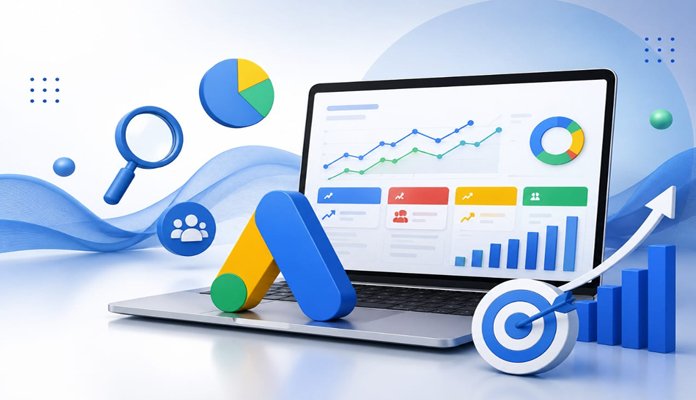
Pay-Per-Click (PPC) is a popular form of digital advertising in which advertisers pay a fee whenever a user clicks on their advertisement. Instead of waiting for organic traffic through search engine optimization (SEO), businesses can use PPC to attract potential customers quickly. PPC advertising is commonly used by businesses to promote products, services, websites, apps, and special offers.
The most popular PPC platform is Google Ads, where businesses can display advertisements on Google search results and partner websites. Other platforms, such as Microsoft Advertising, Facebook, Instagram, LinkedIn, and YouTube, also offer PPC or click-based advertising options.
The PPC process generally begins with keyword research. Advertisers identify keywords that potential customers are likely to search for. They then create advertisements related to those keywords and set a budget for their campaigns. When users search for relevant terms, ads may appear at the top or bottom of the search results. Advertisers are charged when someone clicks on the ad.
One of the major advantages of PPC is targeted advertising. Businesses can target users based on keywords, location, age, interests, device, language, and other factors. This allows advertisers to reach people who are more likely to be interested in their products or services. PPC also provides measurable results, including impressions, clicks, click-through rate (CTR), conversions, and cost per conversion.
Another important benefit of PPC is quick visibility. A well-planned campaign can bring visitors to a website almost immediately after the advertisements are approved. PPC also provides budget flexibility because advertisers can set daily spending limits and adjust their campaigns according to performance.
However, PPC also has some disadvantages. It can become expensive, especially for highly competitive keywords. Poorly planned campaigns may generate clicks without producing sales or leads. Therefore, advertisers need to continuously monitor their campaigns, improve advertisements, select relevant keywords, and optimize landing pages.
A successful PPC campaign usually includes clear goals, effective keyword research, attractive ad copy, proper audience targeting, and a relevant landing page. Businesses should regularly analyze campaign data and make adjustments to improve performance and return on investment (ROI).
In conclusion, PPC is an effective digital marketing strategy that helps businesses reach potential customers quickly and generate targeted website traffic. When properly planned and managed, PPC can increase brand visibility, leads, sales, and overall business growth.